
No Filler! — Collagen Volumizing InjectionNo Filler! Improve Marionette Lines with Collagen Volume Needle COVA

No Filler! Improve Marionette Lines with Collagen Volume Needle COVA
Collagen Volume Needle COVA is a procedure that uses PDO components to induce collagen production in the skin. After the procedure, the collagen generated in the body supports the skin structure, forming a natural volume, and the generated collagen can help improve skin elasticity. It does not migrate, maintaining a natural shape for a long period. *VAT separate
Options
Treatment Details

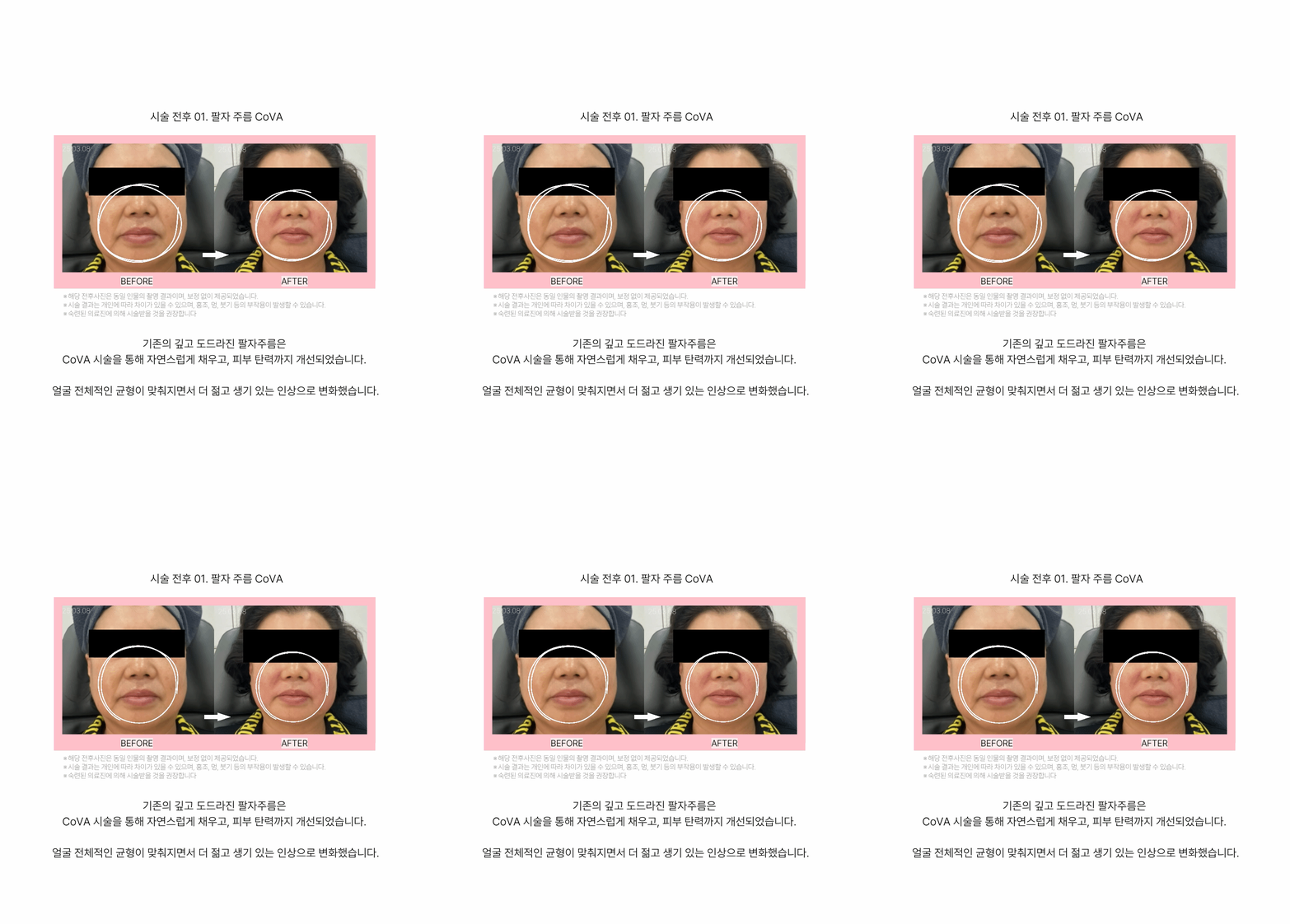
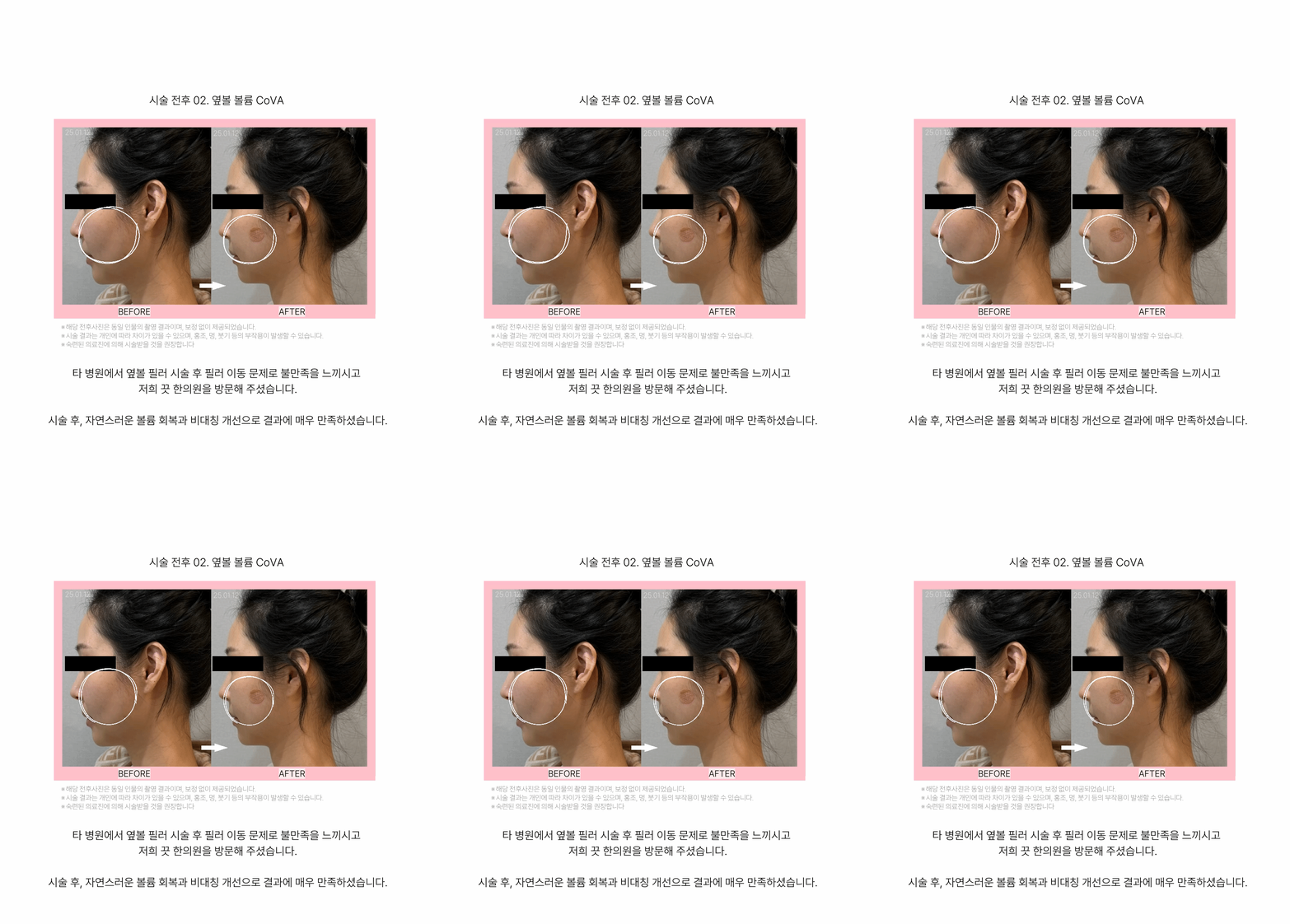





Learn about COVA Collagen Volume Thread treatment.
Filler treatments usually involve injecting a
gel-like substance under the skin to create volume.
However, COVA can induce the skin's own regenerative capabilities and collagen production, allowing for natural volume improvement.
Over time after the treatment, the skin may gradually regenerate itself.
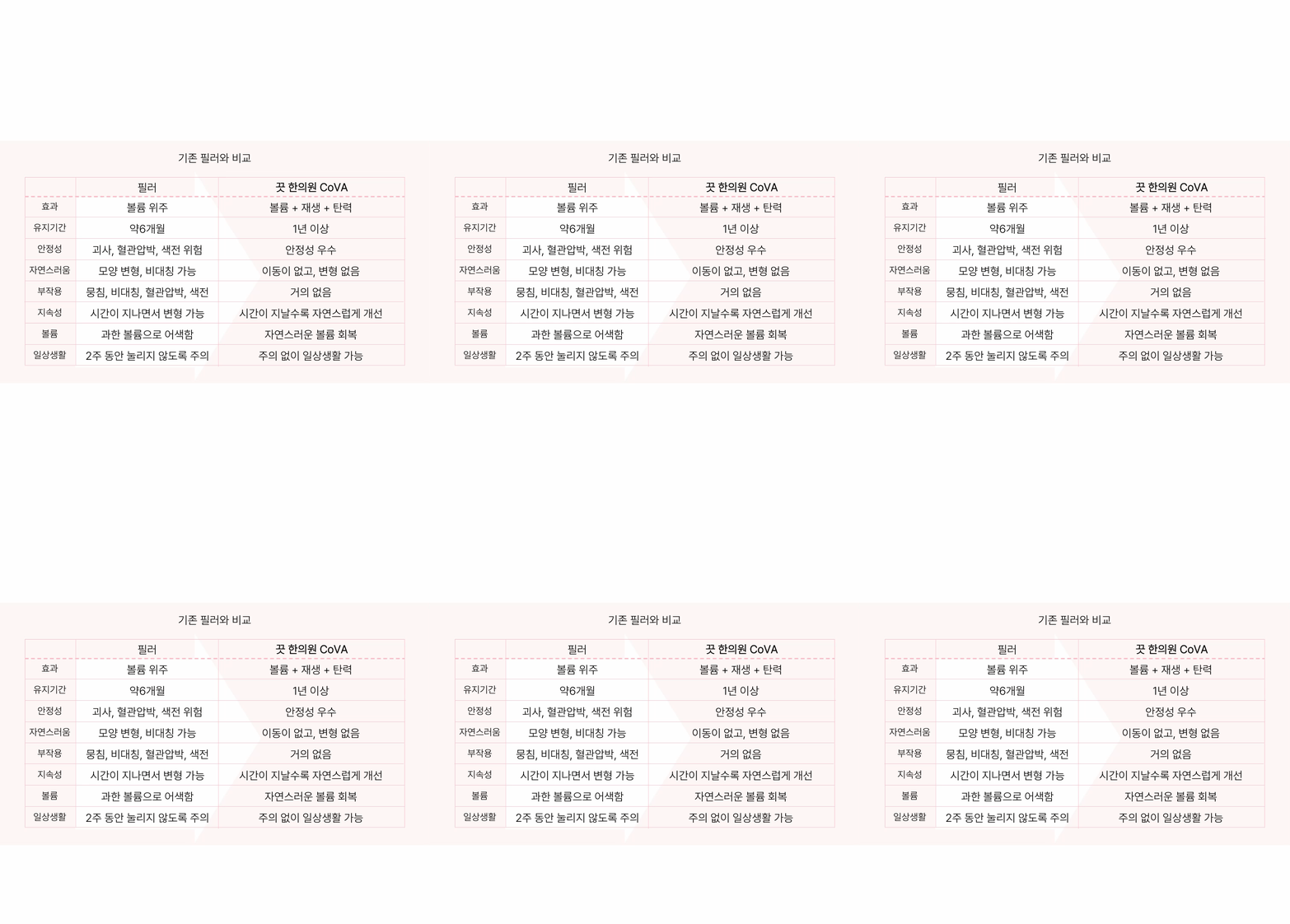
Conventional filler treatments carry the risk of the injected substance clumping unexpectedly or moving from its original position.
COVA can be naturally absorbed and evenly distributed within the skin tissue, reducing these concerns.
COVA is made of PDO (Polydioxanone), a component that gradually breaks down and is naturally absorbed after being inserted into the body.
Fillers, in areas like the eyes or lips
where the skin is thin, can sometimes
make the treated area appear prominent or overly voluminous.
In contrast, COVA can provide natural improvement even in relatively thin skin areas.
Serious side effects rarely reported in conventional filler treatments, such as vascular occlusion or embolism, have a low probability of occurring due to the characteristics of COVA treatment.
As a result, COVA can be considered a relatively stable treatment alternative.
There are differences from Juvelook Volume or other collagen injections.
COVA provides physical support simultaneously, allowing for more visible changes immediately after the treatment.
Procedure Steps
See each step, from your first consultation to completion.
- 01
Conduct a 1:1 consultation to understand your individual condition.
- 02
Apply anesthetic cream to the treatment area to prepare for comfort.
- 03
The director plans the treatment design through professional diagnosis.
- 04
Proceed with the treatment carefully to help achieve desired improvements.
- 05
Apply a finishing cream to soothe the treated area.
Treatment Basics
Treatment time, anesthesia, recovery and how long results last, at a glance.
TIME
10-20 minutes per area
ANESTHESIA
Anesthetic cream (15-30 minutes)
RECOVERY
Immediate return to daily life
DURATION
More than 1 year
Ideal For
One Fine Difference makes real results.
- KKEUT POINT 01
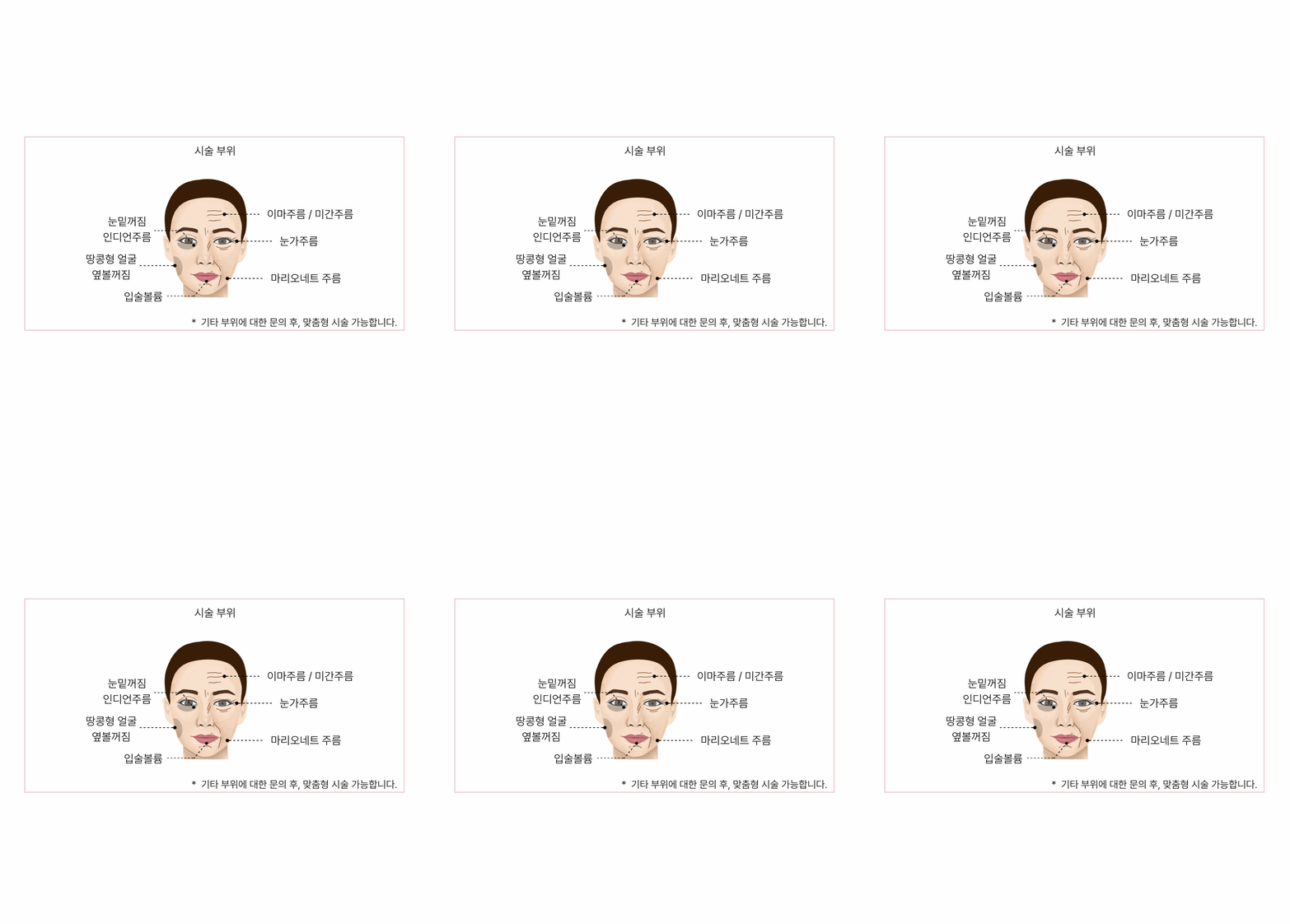
Recommended for those concerned about increasingly prominent marionette lines around the mouth.
Q&A
Answers to the questions we hear most.
How many sessions are needed?

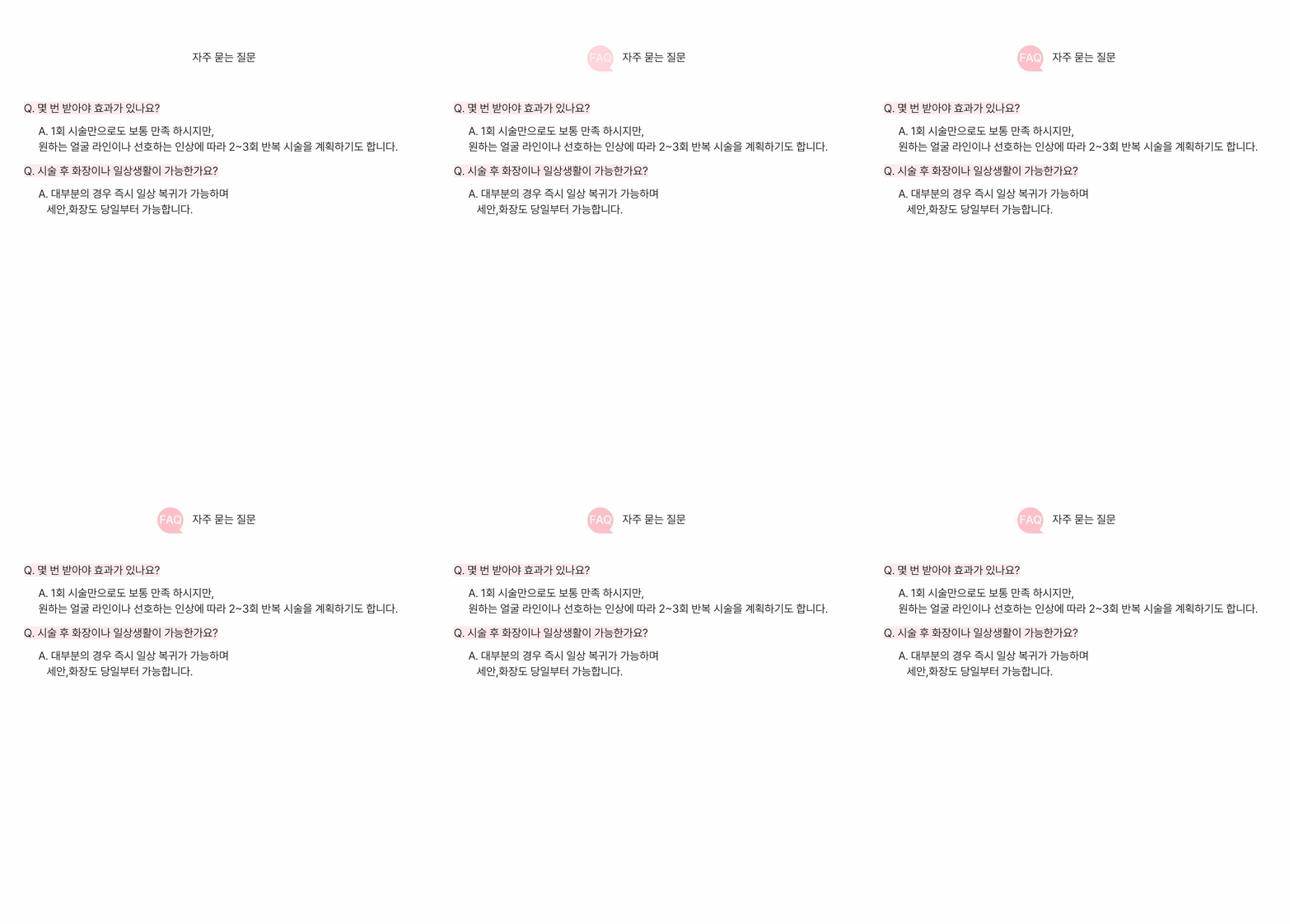
In most cases, you can experience sufficient change with just one session. However, depending on your desired facial contour or improvement goals, you may consider 2-3 additional sessions.
Can I return to daily life immediately after the procedure?
Generally, you can resume normal daily activities immediately after the procedure. You can wash your face or apply light makeup from the day of the procedure.
How long do the effects of the procedure last?
While there can be individual differences, the effects can generally be expected to last for more than a year. This may vary depending on the condition of the collagen generated after the procedure and individual lifestyle habits.
Cautions
Results = Treatment × Aftercare. Please follow the notes below.
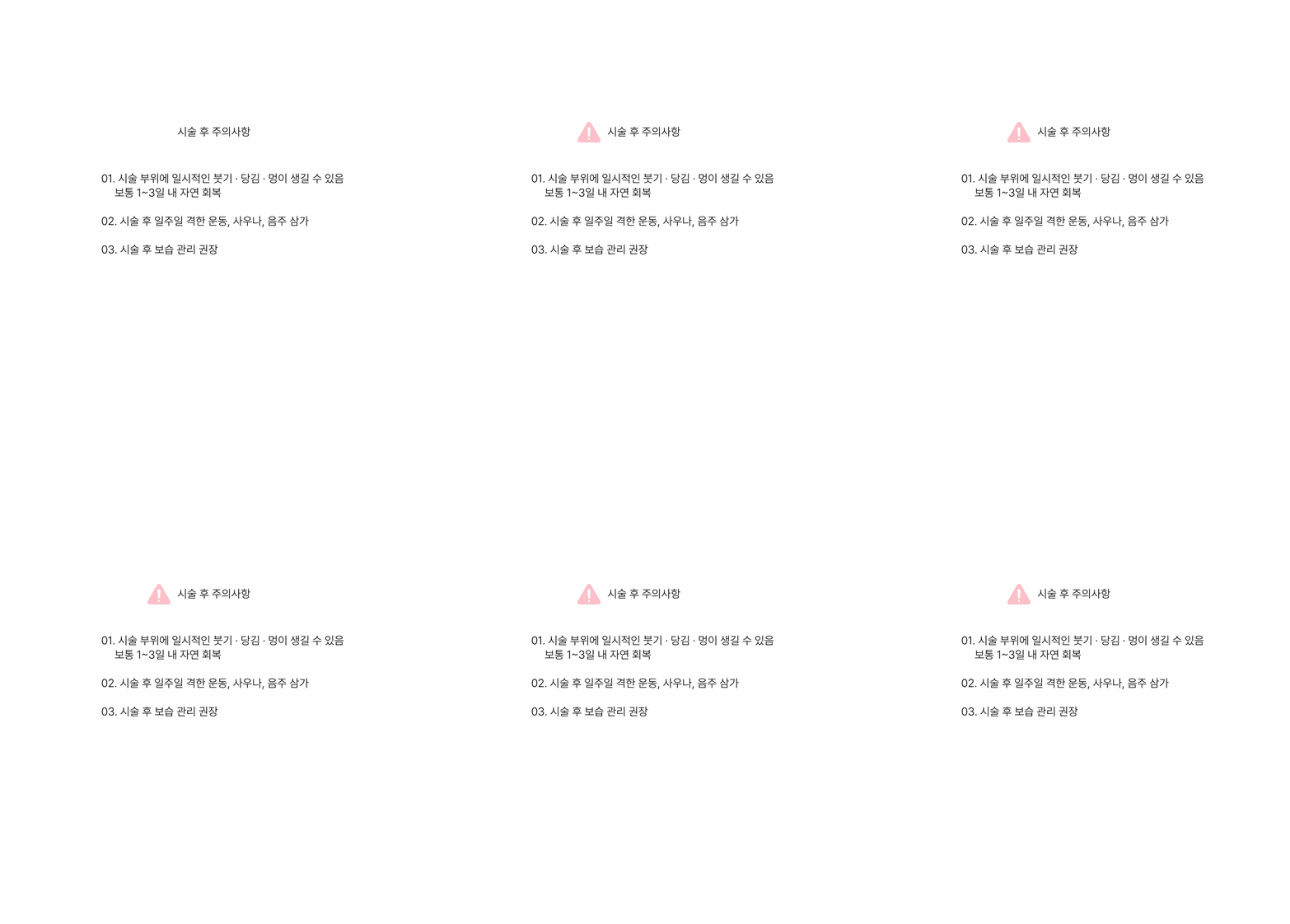
Mild swelling, bruising, or a sensation of skin tightness may temporarily appear in the treated area. Most of these resolve naturally within 1-3 days.
It is recommended to refrain from alcohol, tobacco, saunas, and strenuous exercise for about one week after the procedure.
To reduce irritation to the treated area, please be careful not to use scrubs or exfoliating products for about one week after the procedure.
Avoid applying excessive pressure or strong stimulation to the treated area.